From South America to U.S.: What Environmental Defenders’ Legal Challenges Can Teach Us About Fighting for Climate Justice
How Indigenous Movement Lawyers Are Redefining the Fight for Land, Dignity, and Ecological Justice
Originally written by Felipe Mesel, a member of the Global Network of Movement Lawyers and former team member at Movement Law Lab
On November 13, 2025, as part of the People’s Summit outside the UN Climate Summit COP30, the Global Network of Movement Lawyers with Articulation of Indigenous Peoples of Brazil and Terra de Direitos organized a conversation on the intersections between indigenous lawyering and movement lawyering in the struggle for land and climate justice around the world.
Organizations from Argentina, Brazil, Colombia, and Germany participated in the discussion that brought together indigenous lawyers and movement lawyers from different parts of the world who are fighting for climate justice alongside indigenous organizations and social movements to share their experiences and learnings.
The various tactics and strategies below were not devised in a vacuum nor were they immune from being shaped and influenced by their respective country’s democratic structures, multilateral efforts, and rise of authoritarianism globally. Moreover, they provide insight into what movement lawyering requires to support the climate justice movement in these times.
1: Develop an Understanding of the Legal Frameworks Being Used to Extract Resources
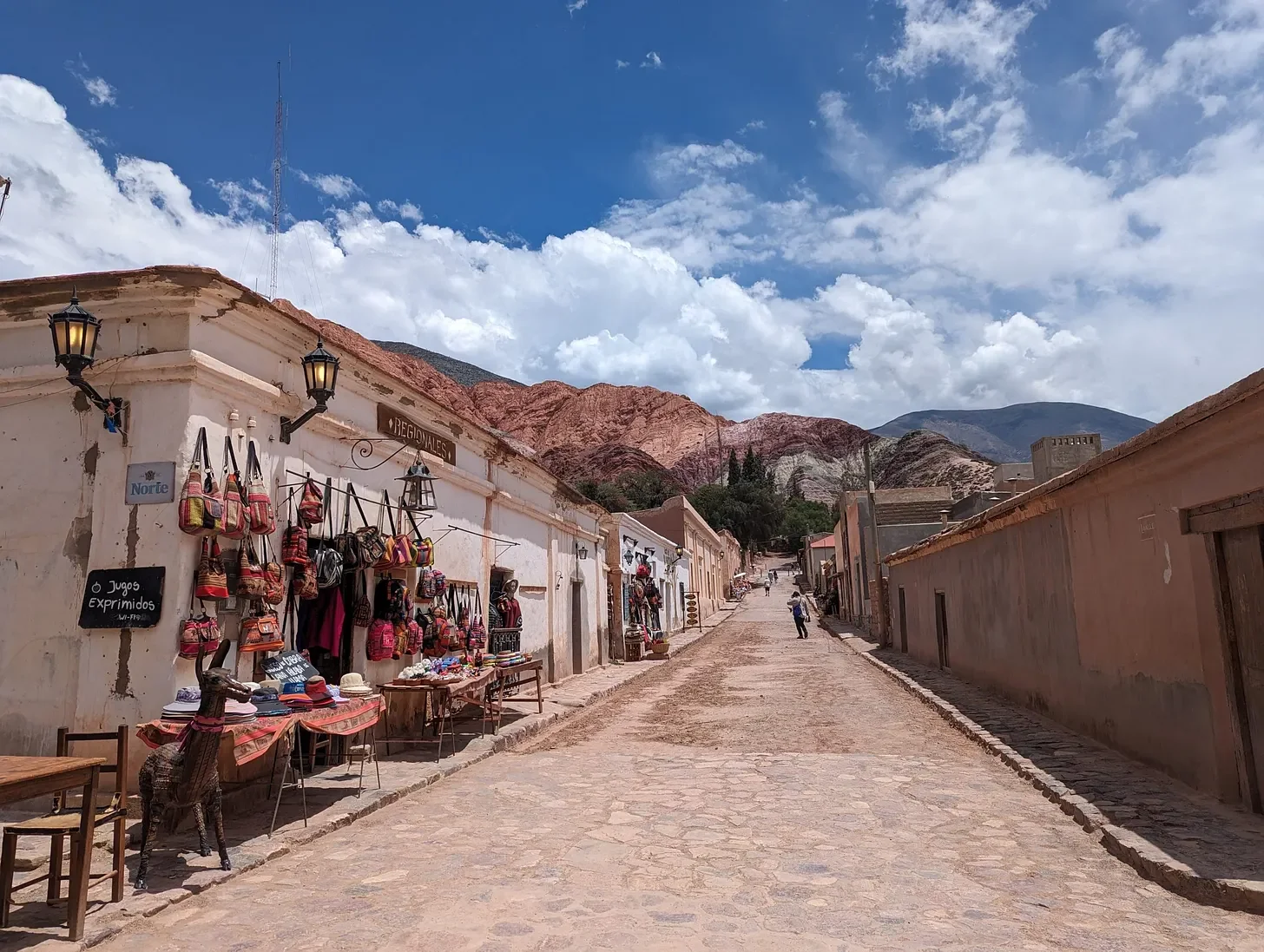
Image from Hello Gap Year © 2026
Jujuy, Argentina is the epicenter of lithium mining extraction. As such, groups have witnessed various extractive legal frameworks in tax, economic, mining, and criminal legislation used to facilitate the extraction of lithium and rare Earth minerals. Under Argentinian President Milei there have been major setbacks that have led to a regression in existing environmental protections. Prior to Milei’s administration, the problem for climate activists had been addressing the gap between environmental protection regulations and implementation. Now, they’ve seen an uptick in the government’s use of legal frameworks to tear at the environmental victories won. These legal tactics have been accompanied by a narrative of development as the answer to the economic crisis, overpromises of “raining of dollars” from resource extraction investments, and criminalization of climate justice activists.
Similarly, in Cundinamarca, Colombia, multinational interests, in this case, Coca-Cola have appropriated a vital water source. For decades, Coca-Cola has caused desertification in the region and left nearby populations without water. Coca Cola is currently operating illegally in the region– with expired permits – but because of the lack of enforcement in environmental protections we’ve seen companies take advantage to continue on with their extractive business models and face little consequences.
In Brazil, laws intended to protect indigenous rights are also systematically violated by states and extractive projects. Additionally, the Brazilian judicial branch has disregarded the regulatory framework for indigenous protections of the environment, a top concern shared by many of Brazil’s indigenous groups.
2: Use Legal Tools to Include Indigenous Peoples’ Demands
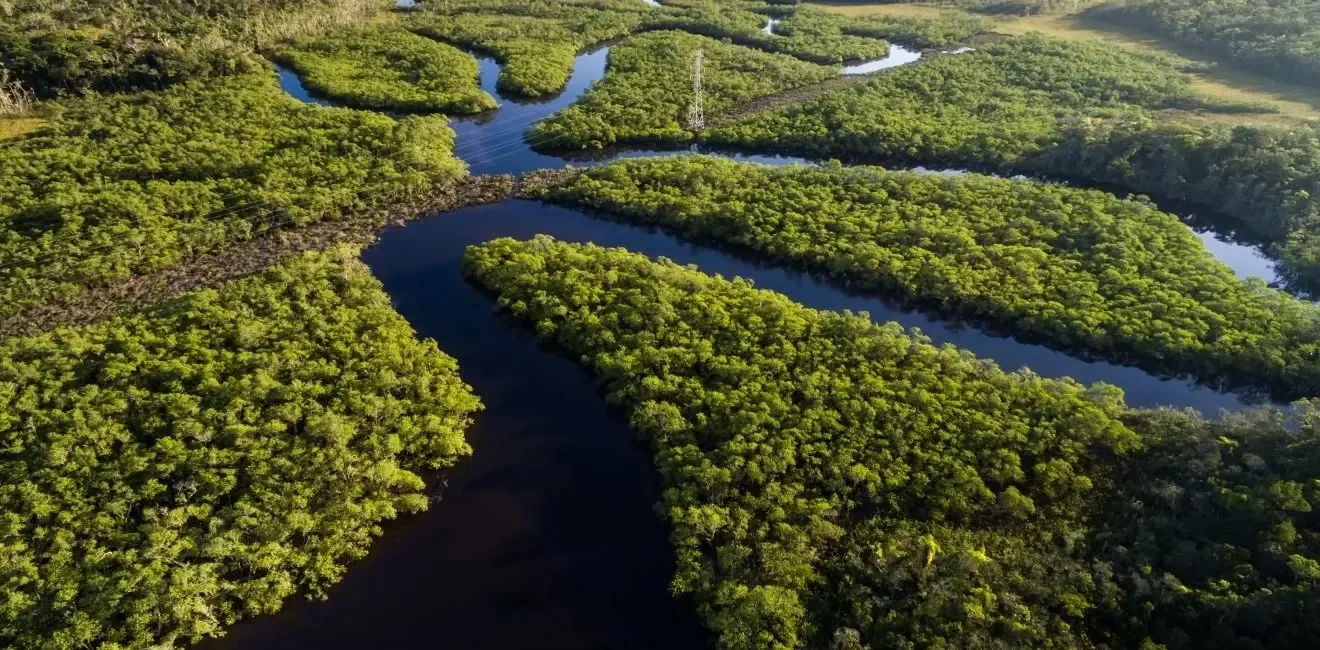
Image from Wilson Center
Brazil’s definition of environmental protection currently discussed includes: demarcation of indigenous lands, respect for health and differentiated indigenous education, rights of nature, and the right of people to “good living”.
Indigenous groups’ advocacy for the right to free, prior, and informed consultation and consent before development projects are undertaken in their territories has been a high priority in their advocacy work. Brazilian organizations emphasized the need for consultation protocols that are binding on both the public administration and private sector as a way to combat environmental deforestation projects.
In Brazil’s case, the practice of indigenous lawyering has brought sensitivity of the indigenous movement to the field of law. Using both traditional and indigenous-based legal arguments, they’ve been able to raise the State’s awareness of indigenous causes. This involves a combination of multifaceted legal strategies ranging from; legal frameworks and jurisprudence, international law and regional human rights protection mechanisms (e.g. the case “Norín Catrimán v. Chile” that defended indigenous leaders convicted for political reasons), use of local law, and application of indigenous customary law. In this way, they have linked legal and political arguments to ancestral methods of struggle and forms of indigenous self-governance that cannot be limited by judicial decisions.
The importance of this collective movement, that has existed for more than 500 years, is the ability to evolve their methods to meet today’s challenges; ones where the judiciary insists on individualizing responsibility and criminalizing the environmental defense movement.
3. Build on Legal Victories to Advance Climate Advocacy
German organizations have centered their advocacy on legal mechanisms. For instance, to fight the global supply chains displacing and dispossessing indigenous populations, human rights advocates are seeking legal liability against German global corporations. For example, the German Supply Chain and Due Diligence Act is being used by the European Center for Constitutional and Human Rights to bring to account German companies, like Bayer-Monsanto, that are operating in South America in Argentina, Bolivia, Brazil, and Paraguay.
Lawyers have been able to translate contracts that lay “legal traps” and used popular education to demystify court cases and legal discourse for indigenous and climate justice groups. In turn, this allows local communities to use legal forums and processes to advance local fights using international mechanisms for corporate accountability more effectively.
In 2024, the Inter-American Court of Human Rights ruled against the Colombian state, guaranteeing the right of human rights defenders to defend rights in conditions of safety and democratic freedom. For Colombian advocates, this victory continues as leverage for their environmental defense advocacy.
Brazilian organizations also recognized progress made by indigenous peoples’ in the fight for environmental protections and highlighted the novelty of the 2025 UN’s Climate Summit’s inclusion of discussions on indigenous territories and representation, a victory that can lead to expanding formal spaces for those who are impacted and at the center of climate fights.
It’s important that as movement lawyers we leverage traditional legal mechanisms and continue using existing legal tools in service of climate movements. Not only do we need to continue to occupy formal spaces, we need to push to expand the inclusion of indigenous groups who are at the center of these fights. Only then, can we effectively challenge the meaning-making being produced in those spaces. Further, we must use our political imagination to create alternative structures, policies, and institutions that support more democratic, equitable, and pluralistic visions. Our interventions on the local and international stages can strengthen internationalist solidarity among the climate movements. By doing so, we work toward repairing the harms of colonialism while articulating new values for global governance that center dignity, justice, and true ecological harmony.