Protecting Dissent during Authoritarianism is Critical
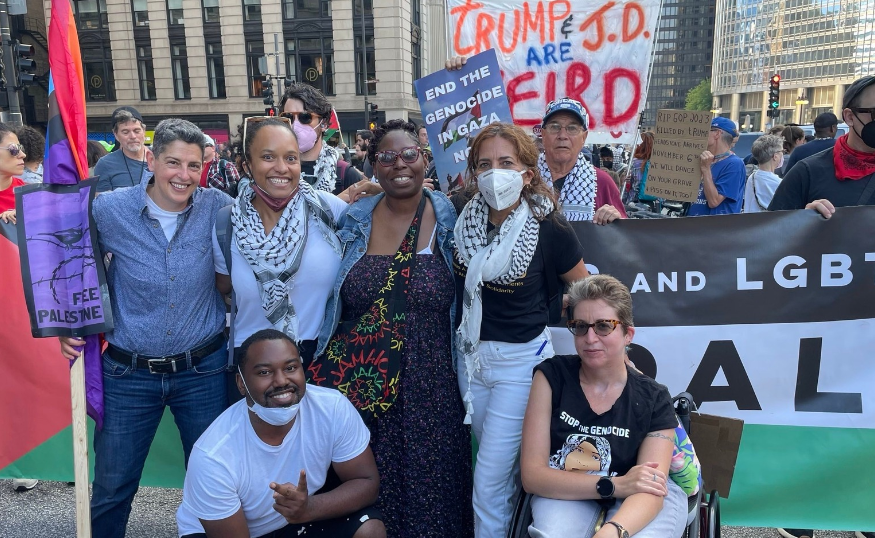
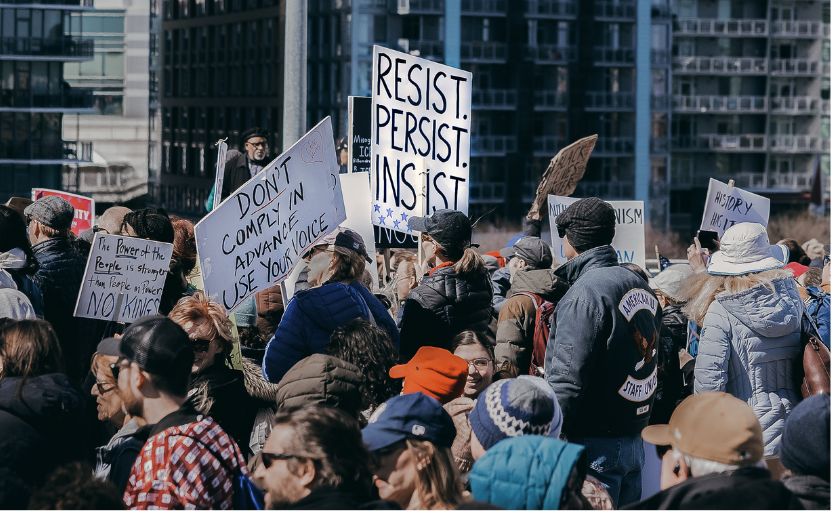
Most of civil society believes the foundation of democracy is founded on our ability to uphold our Constitutional rights, including our cherished rights to freedom of speech and protest. But what we’ve seen in Trump’s second term, challenges these democratic principles by going after those who oppose their authoritarian project.
The attacks against dissent by the authoritarian coalition, while not new, are distinct in that it demonstrates the willingness of the Administration to deploy federal law enforcement officials to brazenly and shamelessly trample on peoples’ First Amendment rights. Authoritarians at state and federal levels have not shied away from embracing every play from the authoritarian playbook, including the suppression of dissent through violence and weaponization of the legal system.
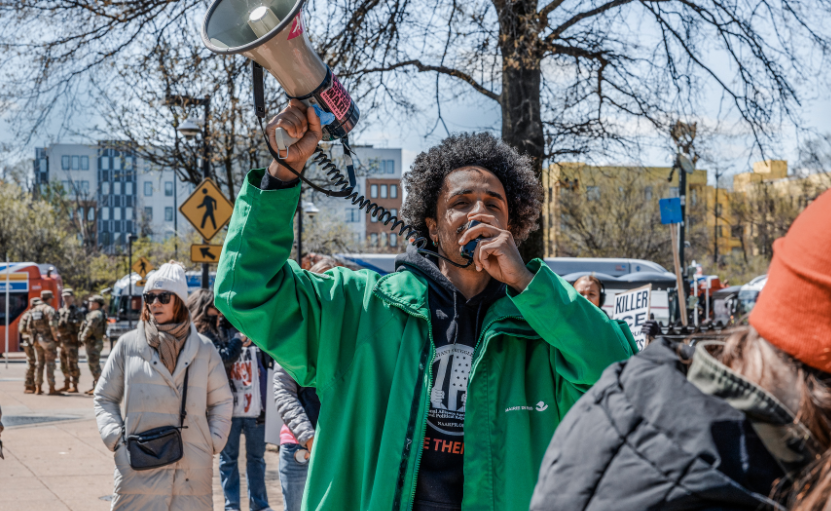
From Minneapolis to Spokane, there has been a wide scale operation unleashing the Federal government’s wrath against protestors and activists who oppose the authoritarian tactics of the State. With repression as a core strategy to hold power, the goal of suppressing dissent is at an all-time high. The mandate for lawyers has never held more urgency: we must rise alongside social movements to protect the democratic rights of civil society and fight for and on behalf of the People.
Below we’ve outlined a few areas where lawyers and legal workers continue to and can start showing up for movement organizers who are fighting despite increasing authoritarianism. While this isn’t an exhaustive list, the following is a starting point for lawyers and legal workers who are ready to protect dissent and our democracy.
Before protests: Lawyers and legal workers can provide Know Your Rights and Risks training and take part in protest consultations.
What can a protest consult look like?
Generally, lawyers may be asked to provide information and guidance on local, state, and federal laws pertaining to protests, demonstrations and direct actions (i.e., the needs for permits or one the use of amplification devices). This can also include contingency planning in case individuals are arrested or face other state repression, by providing information on:
Which law enforcement officers may respond; where people may be detained; how long people may be detained; how the relevant court systems operate; and issues pertaining to bond and bail.
Organizers also may need legal representation if they are illegally denied the ability to obtain a permit to assert their First Amendment rights.
During a protest: Lawyers and legal workers can take part in legal observing.
Legal observing includes monitoring and documenting government activity violating First Amendment-protected activity; obtaining information and tracking those arrested to get legal support; providing objective reporting on demonstrations, among other actions.
The National Lawyers Guild (NLG) has a well-developed legal observing program inspired by Black-led movements and they have worked to pair organizers staging demonstrations with legal observers. We recommend connecting with your local NLG chapter if you’d like to get involved in this type of support.
After protests: Depending on the situation, scale, and escalation, lawyers can play a variety of roles. Lawyers and legal workers can support the following:
Providing support for those arrested and detained:
Working on a hotline and helping field calls to help locate someone who has been arrested and in custody;
Lawyers can conduct police station visits to assert a client’s rights or document a client’s injuries.
Criminal Defense Representation:
If people are arrested, representing people facing charges which can range from local ordinance violations, misdemeanors or felonies in administrative hearings, state and federal courts.
Civil Rights Representation:
When demonstrators face egregious state repression, including where law enforcement officials engage in excessive force, false arrests, and the denial of right to speech and assembly both individual and class action litigation may be required.
These are just some of the many ways lawyers and legal workers can defend people’s rights to protest. Our democracy is contingent on our ability to freely express opinions and assemble in the face of injustice. We are seeing people from all walks of life rising against the mass violation of human rights and dignity while asserting their First Amendment rights, despite immense repression. Right now, social movements need all the help lawyers are willing to offer.
For lawyers ready to deepen their involvement, groups like the NLG, the National Conference of Black Lawyers, and others have vast experience doing this type of work and can serve as a well of resources or home base.
Social movements understand what is at stake and that, only through a robust civil society, can we all thrive. Will we rise with them to fight for justice and the values we believe are foundational in a just democracy?
Lawyers, now is the time to step up and show your steadfast commitment to democracy and be on the right side of history.
Want to keep reading? Explore more from the All Rise blog series.